

ENJOY THE PRESERVATION OF HISTORY AND CULTURE
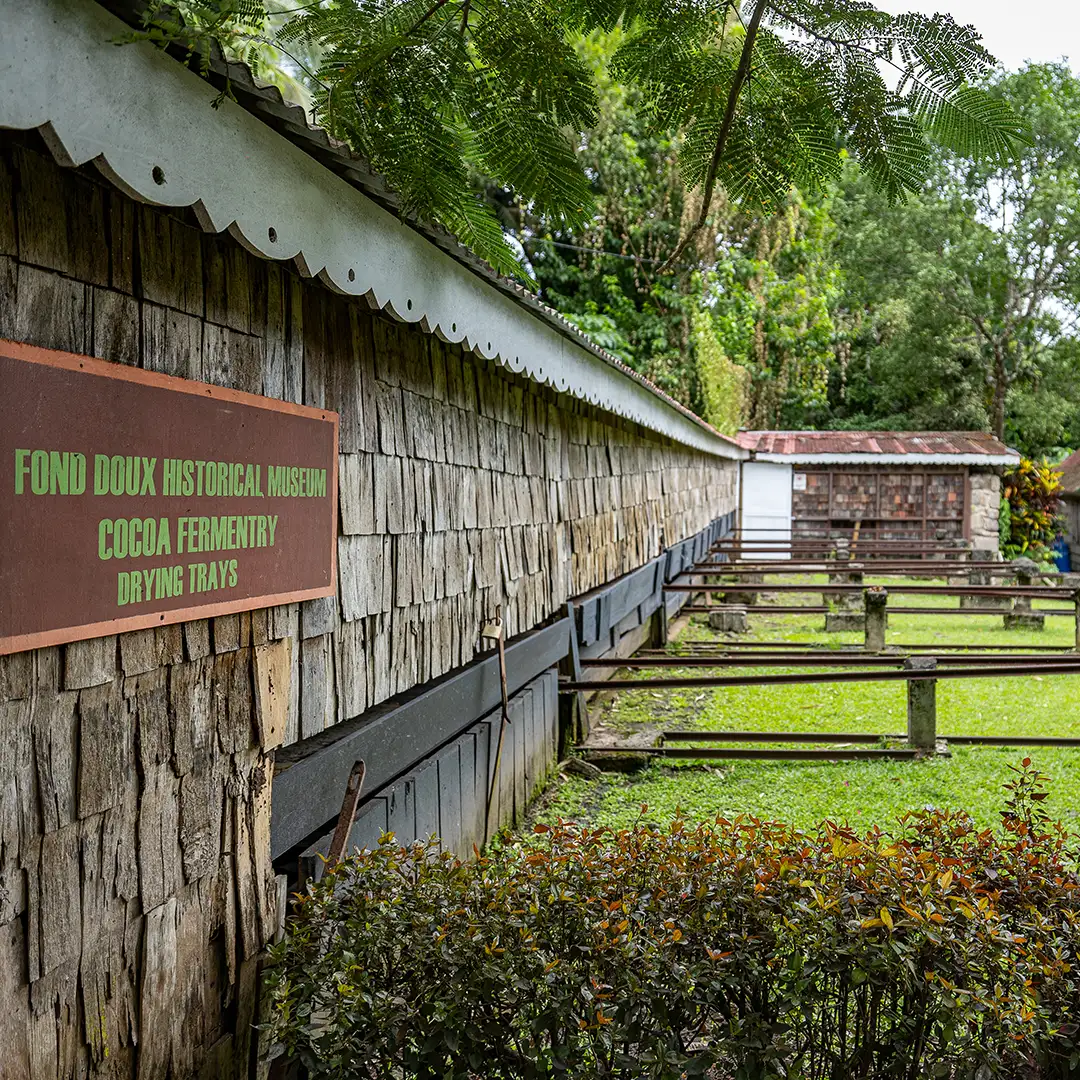
Nestled in the heart of St. Lucia, Fond Doux Eco Resort is a lovingly restored 19th-century colonial estate known for its romantic, intimate, and eco-friendly cottages. Set on a 250-year-old working cocoa plantation, the resort offers 25 unique rooms, two on-site restaurants, a series of serene outdoor pools, and an organic spa. Guests can also enjoy a charming wedding gazebo, the Plas Cacao chocolate shop, a traditional cocoa fermentry house, and a hall of fame celebrating the estate’s heritage. Conveniently located just 45 minutes from the island’s international airport and moments from world-renowned attractions — including the Pitons, Sulphur Springs (the Caribbean’s only drive-in volcano), and exceptional dive sites — the resort sits within the heart of a UNESCO World Heritage Site.
ABOUT
Our Eco Initiatives
Eco-tourism has been at the heart of Fond Doux Eco Resort long before it became a global movement. Owners Eroline and Lyton Lamontagne have dedicated themselves to safeguarding the estate’s land, heritage, and traditions so future generations — and future guests — can experience its beauty. As a certified organic estate and proud Green Globe member, the resort upholds a wide range of sustainable practices across its operations.
FRESH
Food Market
Locally Grown
Freshness begins right here at Fond Doux Eco Resort, where new plants and fruit trees are continually cultivated to keep the estate thriving. Our working plantation produces an abundance of local favorites including green & ripe bananas. With green bananas we make green fig and saltfish which is St. Lucia’s national dish. Bamboo, St. Lucia’s national plant, also grows throughout the property. This rich diversity allows us to enjoy and share produce grown steps from your cottage.
Farm-to-table Cuisine
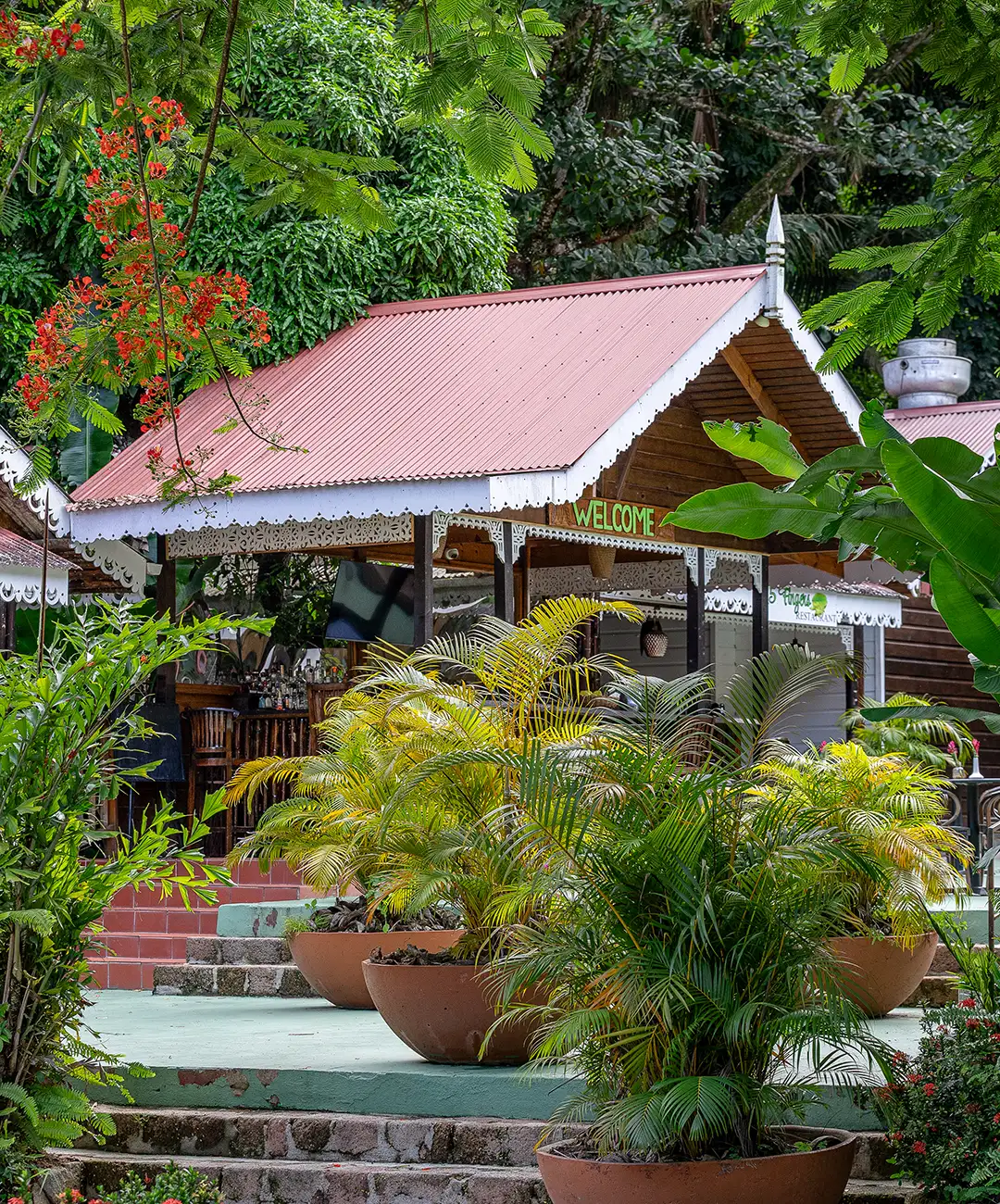
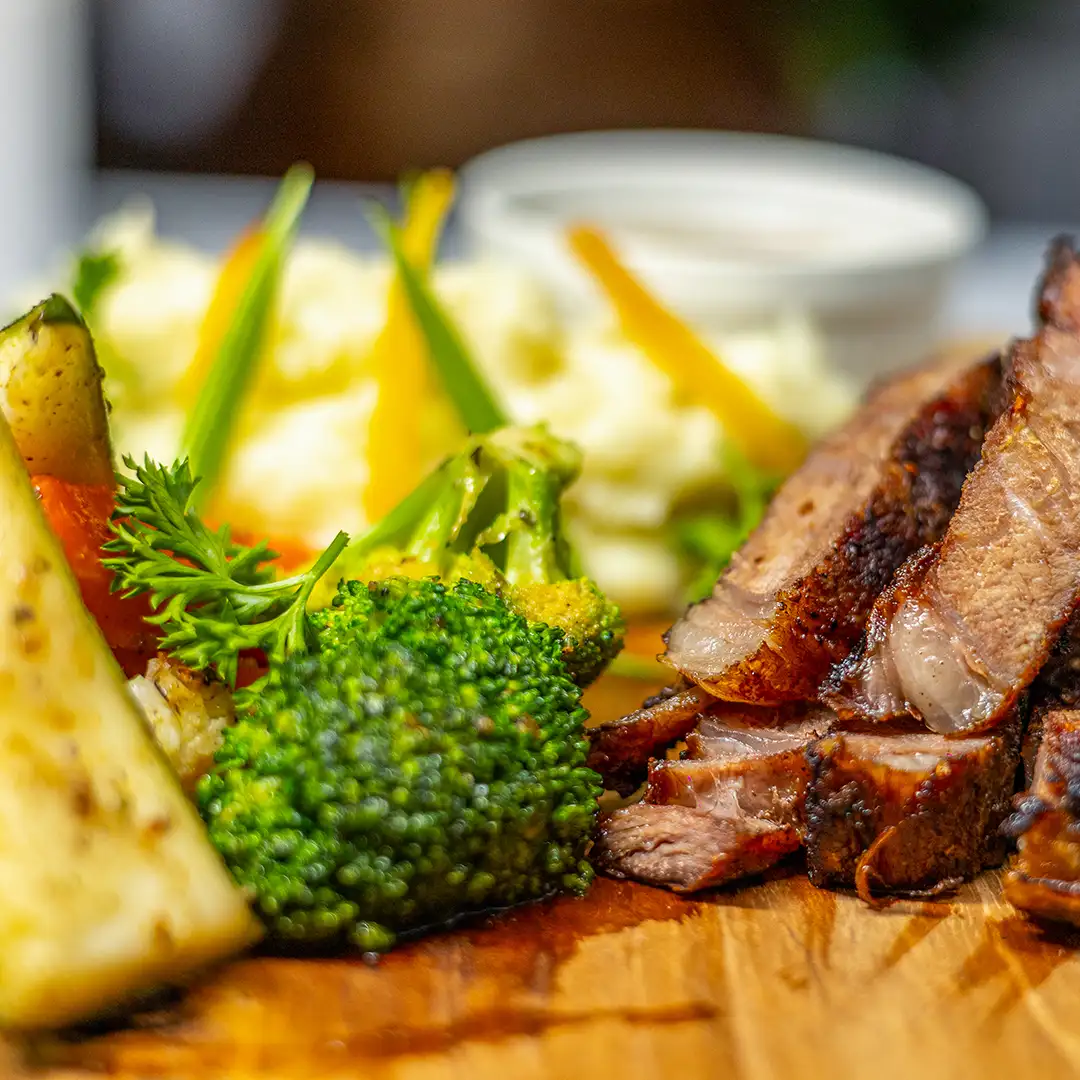
Much of what we harvest finds its way directly to our restaurant. At 5 Fingers Restaurant, guests enjoy a true “plantation to plate” experience, where the chef transforms freshly picked fruits, vegetables, and spices from our organic estate into vibrant, flavorful Creole dishes. Every meal reflects the land, the season, and the care that goes into sustaining our farm.
BUILDING
Around Nature
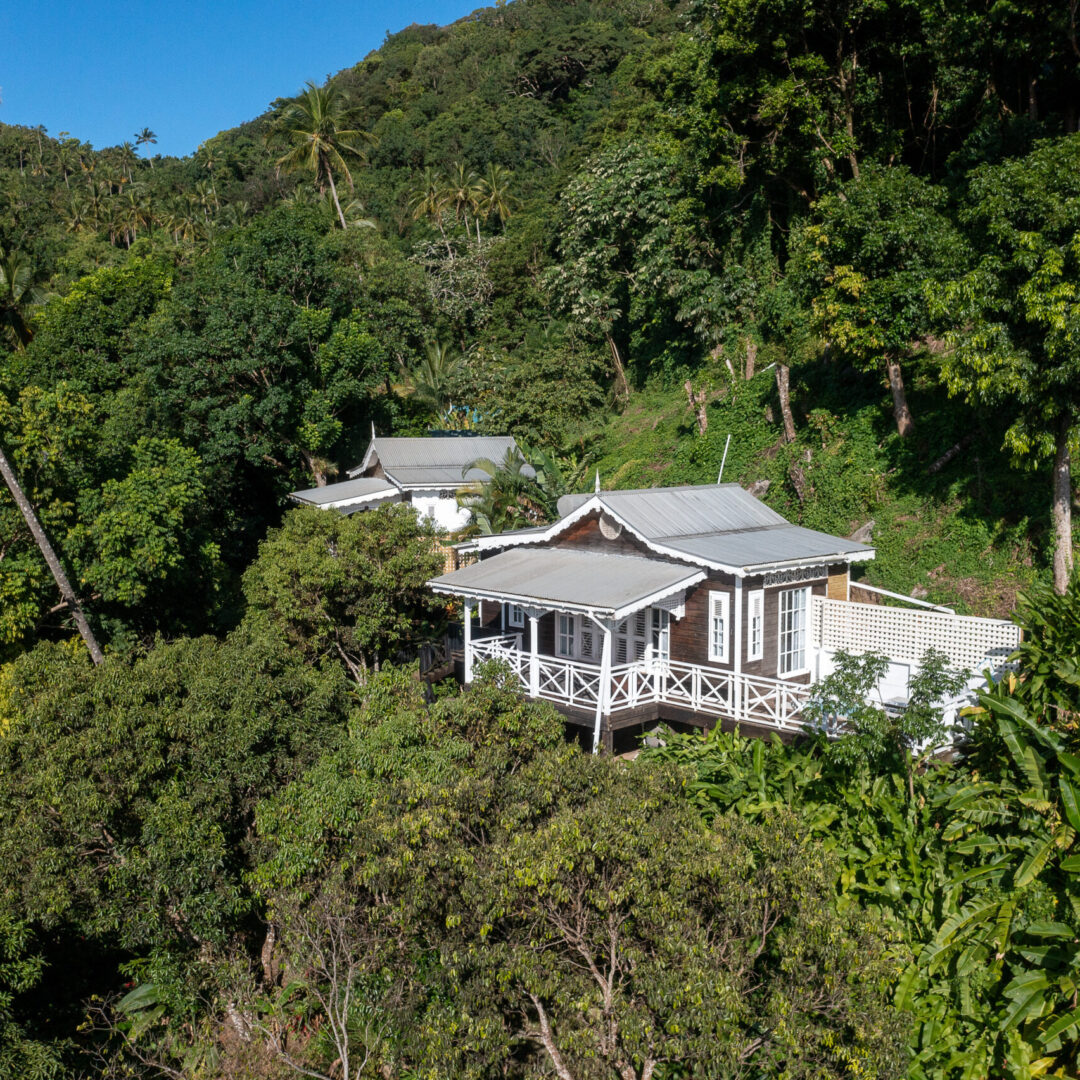
Instead of relying on heavy machinery for excavation, we carved out space for our buildings by hand, using shovels to minimize disruption to the natural landscape. As a result, the trees surrounding our cottages are original to the land — not planted for decoration, but preserved as part of the estate’s living environment.
THROUGH RESTORATION
Preserving History
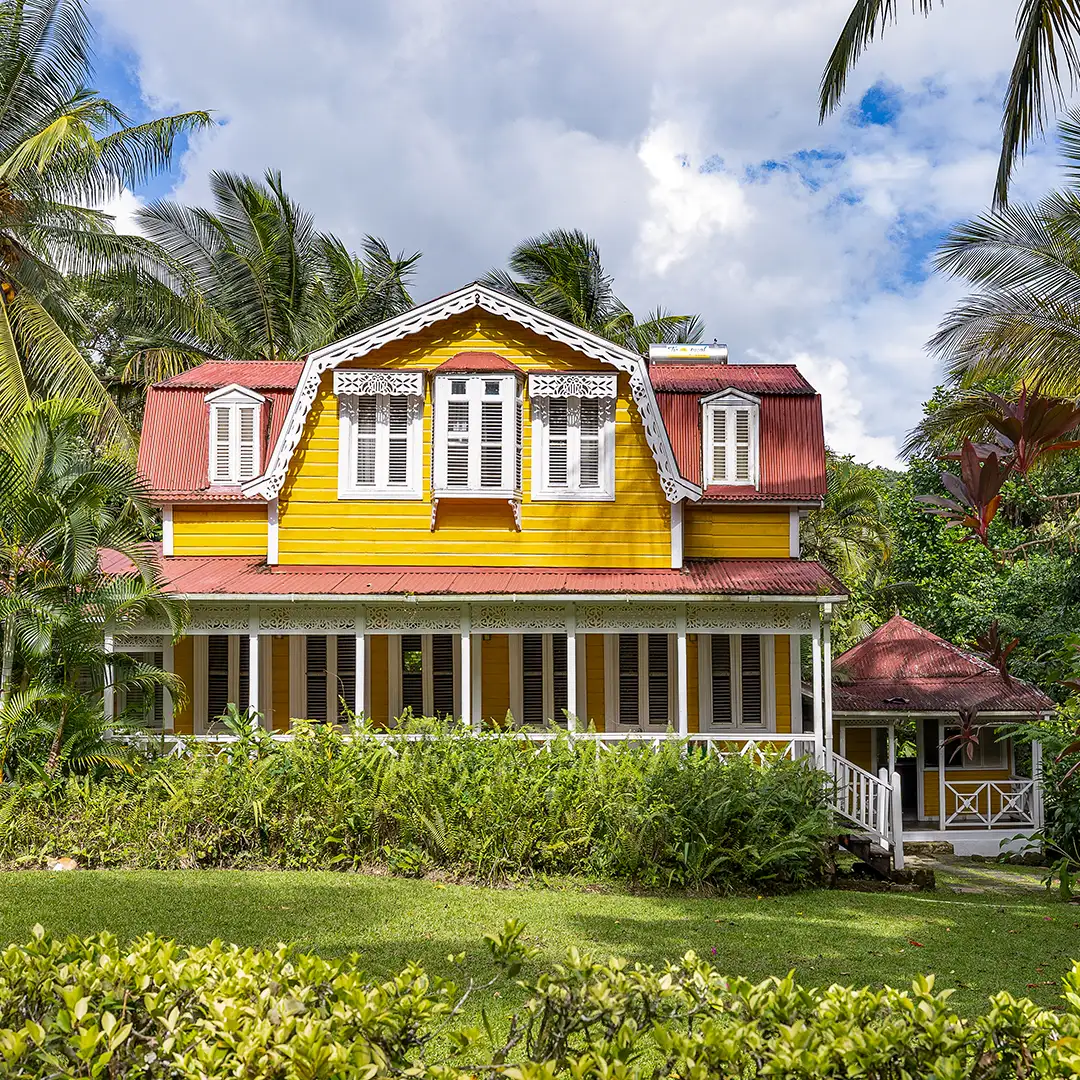
Rather than constructing replicas of historic cottages, Fond Doux preserves Saint Lucia’s architectural heritage by salvaging abandoned colonial buildings from across the island and lovingly restoring them. The craftsmanship continues inside as well — each cottage is furnished with pieces made by local artisans, supporting the island’s traditional skills and creative economy.
FROM A
Local Standpoint
Power and Water
Conservation
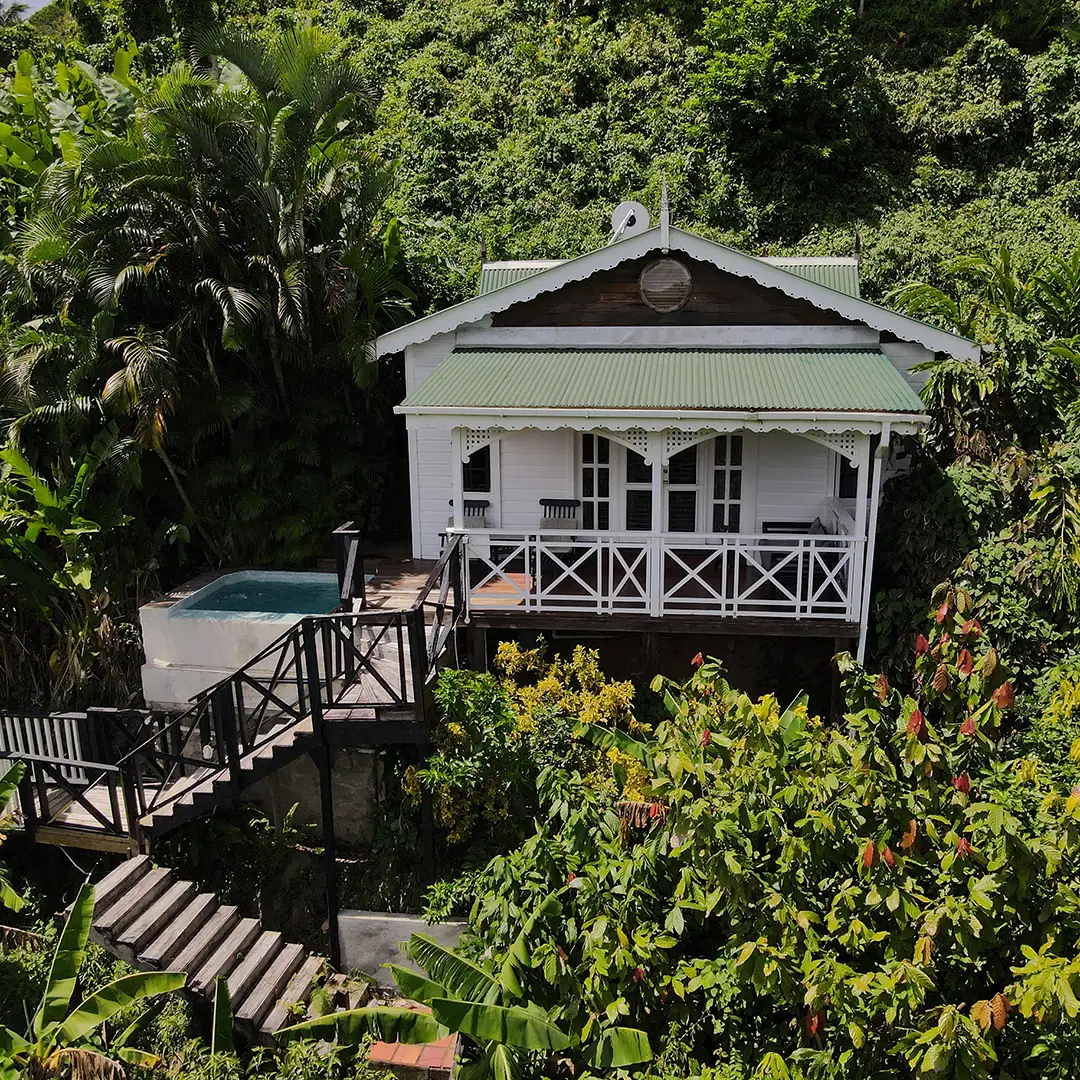
Water in the cottages is heated through solar panels to conserve power. Other power and water conservation efforts include energy efficient lights, low flow toilets, and the option to reuse linens and towels.

Locally Owned and
Operated
Owners Eroline and Lyton Lamontagne, both Lucian, oversee the plantation & resort themselves. They seek to train and employ St. Lucians at Fond Doux, with a strong focus on nurturing individual talents and creating meaningful opportunities for growth.
Supporting
Local Industry
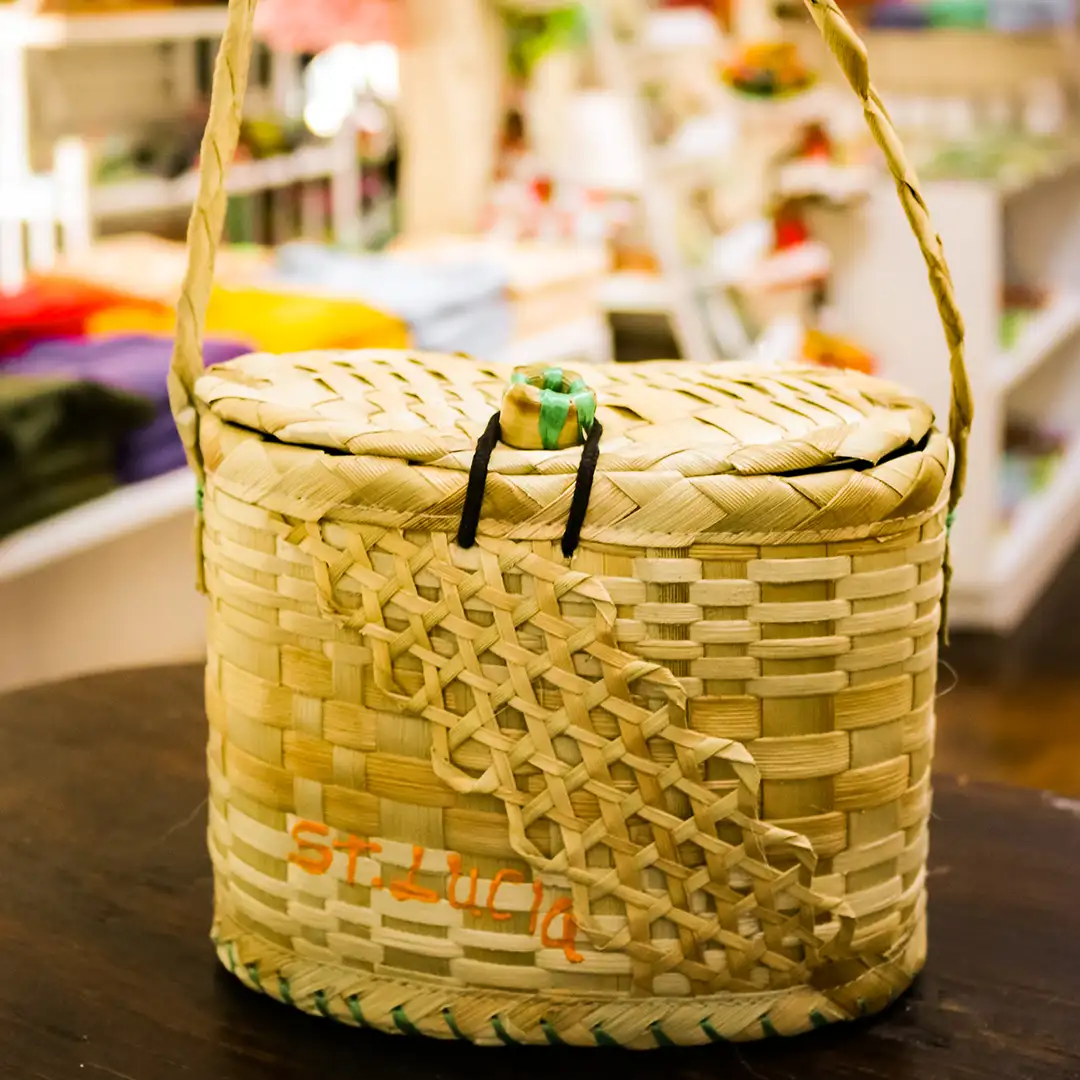
As part of our sustainable practices we fill our gift shop with goods from local suppliers. Similarly, we ensure the tour operators that we refer our guests to use local suppliers and emphasize St. Lucian culture.

Removing Single
Use Plastic
At Fond Doux, we are committed to reducing single-use plastics and minimizing unnecessary waste. Several initiatives are already in place:
- Large plastic garbage bags previously used by housekeeping have been replaced with durable, reusable cloth bags.
- Plastic cups for welcome drinks have been replaced with biodegradable alternatives.
- Styrofoam takeaway plates, cups, and cutlery have been eliminated and replaced with biodegradable products.
- Single-use, portion-controlled plastic toiletries have been discontinued and replaced with refillable dispensers in each cottage.
- Reusable bottles have been placed in all cottages for guest use.
ABOUT
Saint Lucia
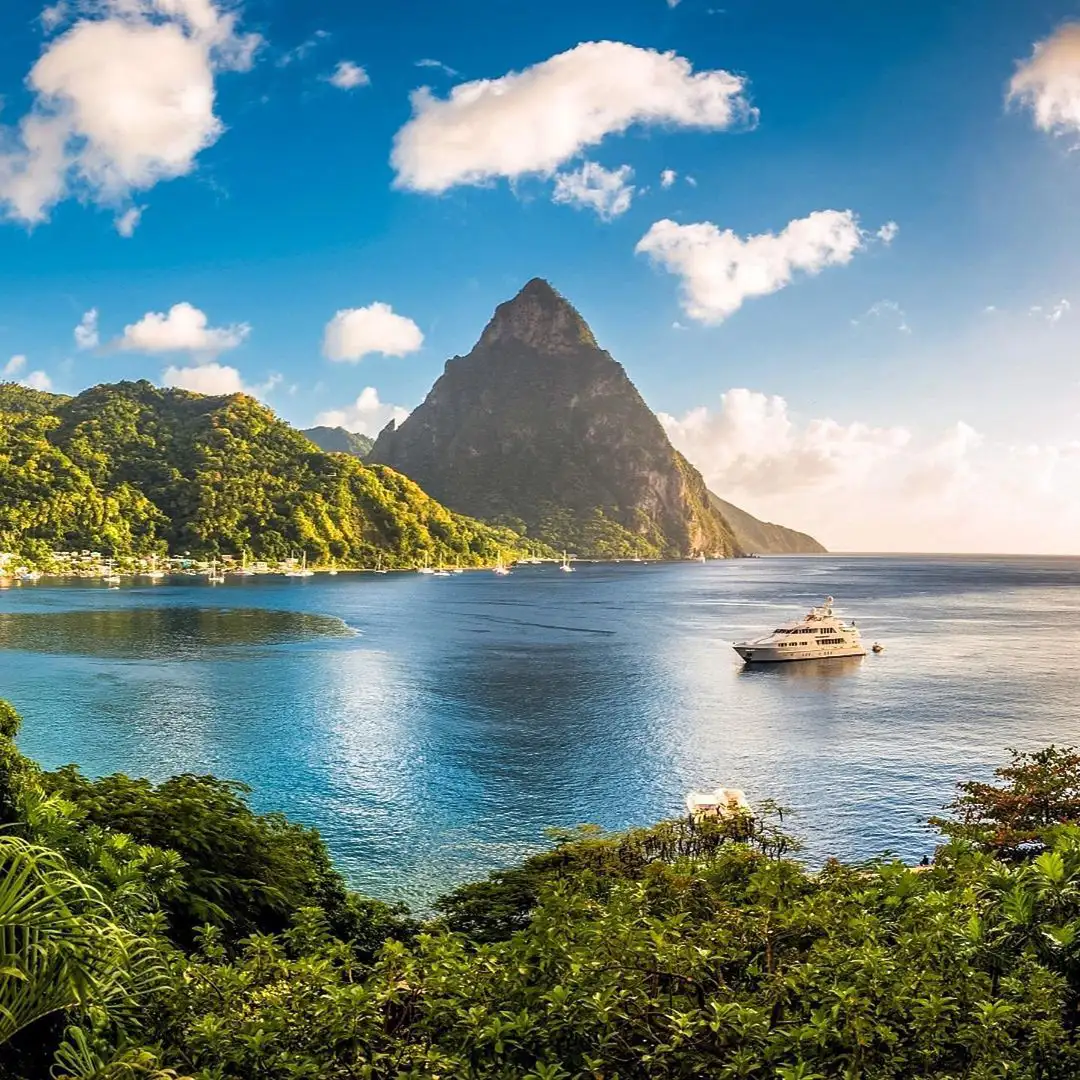
St. Lucia, also known as the “Helen of the West” for its natural beauty, lies in the heart of the eastern Caribbean chain of islands. Beautiful Caribbean beaches, enchanting rainforests in the interior, and a population of loving people make St. Lucia the reality of many travelers’ dreams. Its dramatic twin coastal peaks, the Pitons, soar 2,000 feet up from the sea, sheltering magnificent rainforests, where wild orchids, giant ferns, and birds of paradise flourish.
Brilliantly-plumed tropical birds abound, including endangered species like the indigenous St. Lucia parrot. The rainforest is broken only by verdant fields and orchards of banana, coconut, mango, and papaya trees. St. Lucia has been inhabited since long before colonial times, and its cultural treasures are a fascinating mélange of its rich past and its many different traditions.
The island’s people have earned a well-deserved reputation for their warmth and charm, and the island itself is dotted with aged fortresses, small villages, and open-air markets. A diverse variety of land and sea based activities are available for your holiday enjoyment in St. Lucia. The island’s steep coastlines and lovely reefs offer excellent snorkeling and scuba diving.
The rainforest preserves of St. Lucia’s mountainous interior are one of the Caribbean’s finest locales for hiking, bird watching and canopy ride adventures. The island also possesses excellent facilities for golf, tennis, sailing, and a host of other leisure pursuits. Not to be missed is St. Lucia’s Soufriere volcano, the world’s only drive-in volcanic crater. St. Lucia is everything you’ve dreamed the Caribbean would be and is the kind of place where relaxation comes easy and the pressures of everyday living simply fade away.
Early Settlers
The first people to inhabit St. Lucia’s Soufriere area were the Amerindians. They were a group of indigenous people believed to be of South American origin who sailed up the chain of Caribbean Islands from the Orinoco basin. Until recently, there was little evidence to show that they had been there in any significant numbers, but the discovery of the terraces and carved rocks at Belfond and the exciting new find of the petroglyph near Jalousie indicate that Soufriere was perhaps one of their most important sites.
Arrival of the French
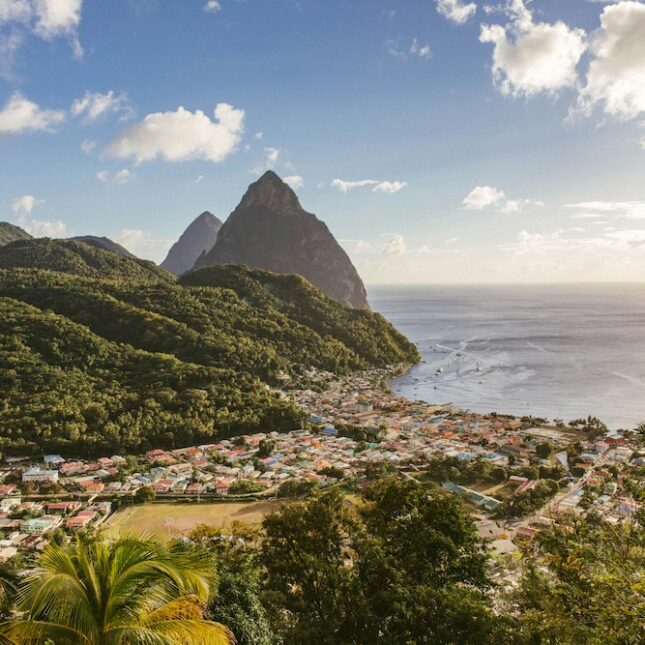
After the Amerindians, the first permanent settlers to successfully establish themselves in St. Lucia were the French, who came around the end of the 17th Century. Already well-established in Martinique, they realized that the rich fertile soil of Soufriere would be ideal for farming. In 1746, Soufriere was officially recognized by France as St Lucia’s first town. In fact, the name of Soufriere comes from the French, who gave the town its name for the “sulphur in the air” coming off the volcano.
French Revolution
With the last years of the 1700s came the French Revolution. Its effects were felt throughout the Caribbean’s French Antilles, including St. Lucia. It was also the most tumultuous period in the history of the island and in Soufriere.
Soufriere became the headquarters of the Revolutionary Party, declaring an end to slavery in the French Islands, but under Napoleon, slavery was reintroduced. Many of the freed slaves, as well as French soldiers who had deserted, took to the hills. From their hideouts they organized raids on the town. The Battle of Rabot was fought right here at Fond Doux Resort & Plantation, where the fortifications and ruins can still be seen today.
THE HISTORY OF
St. Lucia’s First Town
Soufriere is located on St. Lucia’s west coast and has acquired a reputation for its legendary beauty. From white sand beaches, coral reefs, and exotic jungles, to waterfalls, volcanic springs, and the town’s trademark Pitons, there are many scenic features found within Soufriere’s borders.