Before the island turned to tourism, St. Lucia ran on bananas. Islanders called the crop green gold, and for forty years it carried the economy and the livelihoods of whole farming communities. That story did not end, it changed shape, and few places tell it better than the fields around Soufrière and the working estate at Fond Doux.
How Bananas Became Green Gold
The crop took hold in the 1950s, as the old sugar estates faded and smallholder families across the island began planting bananas on the volcanic hillsides. Unlike sugar, which needed large plantations, bananas grew well on small family plots, and the weekly harvest brought something St. Lucia had rarely known: a steady income in ordinary hands. Boats carried the fruit to Britain, and the money that came back built homes, paid school fees, and kept whole villages working.
By the 1960s, bananas were the island’s leading export, and they stayed on top for a generation. Green gold was never just a nickname. It described what the crop meant: wealth that grew back after every harvest, on land that families owned themselves.
When the Market Closed
The system depended on protected access to the European market, where Caribbean bananas held a guaranteed preference. Through the 1990s, that protection was challenged and dismantled, and the price of St. Lucian fruit could no longer compete with the vast plantations of Latin America. Farms that had supported families for two generations went quiet, and the island reinvented itself around tourism.
Farming never disappeared, though. It still employs roughly a fifth of the island’s workforce, and bananas still grow across the interior valleys for regional markets and the island’s own tables. The scale is smaller. The pride is not.

Green Gold at Fond Doux
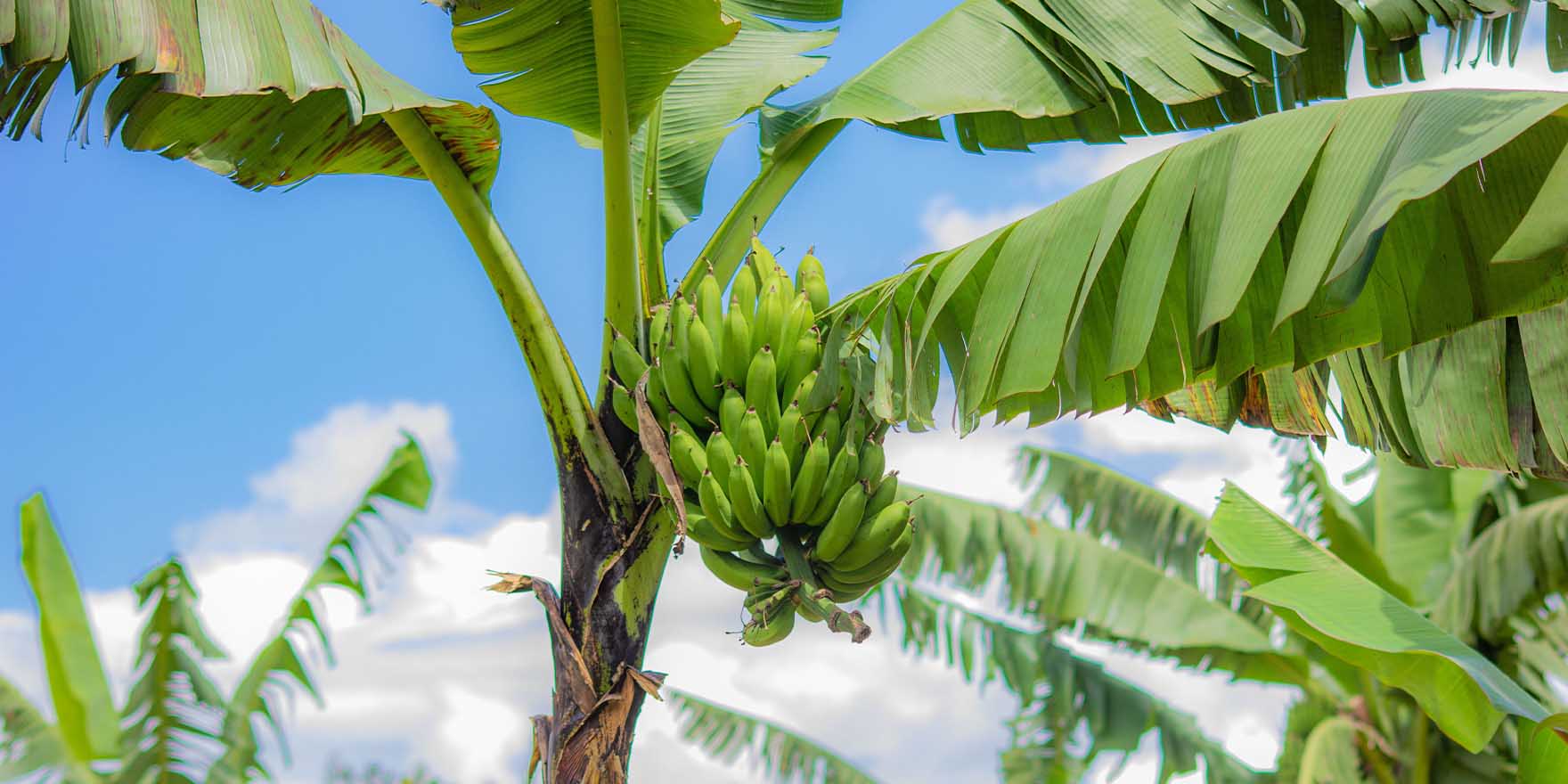
Fond Doux began as a working agricultural plantation, and it never stopped being one. Green bananas grow on the estate today alongside cocoa and tropical fruit, the same mix of crops that carried Soufrière through the green gold years. Guests walk past them on the heritage trails, taste the estate’s harvest in the Creole cooking at 5 Fingers Restaurant, and follow the cocoa story from tree to bar on the chocolate making tour.
Staying in one of the estate’s restored cottages puts you inside that continuity. This is not farming recreated for visitors. The bananas here are picked, cooked, and eaten, part of a landscape that has fed St. Lucian families since long before the first guest arrived.
If You Go: Fond Doux is a working 19th century cocoa estate set beneath Saint Lucia’s iconic Pitons, a UNESCO World Heritage Site, where restored colonial cottages sit among productive farmland and verdant rainforest. Family owned and operated by the Lamontagne family, the 135 acre estate combines agriculture, heritage, nature, local cuisine, and hospitality, offering an authentic connection to Saint Lucia’s history, landscape, and culture.